la teja
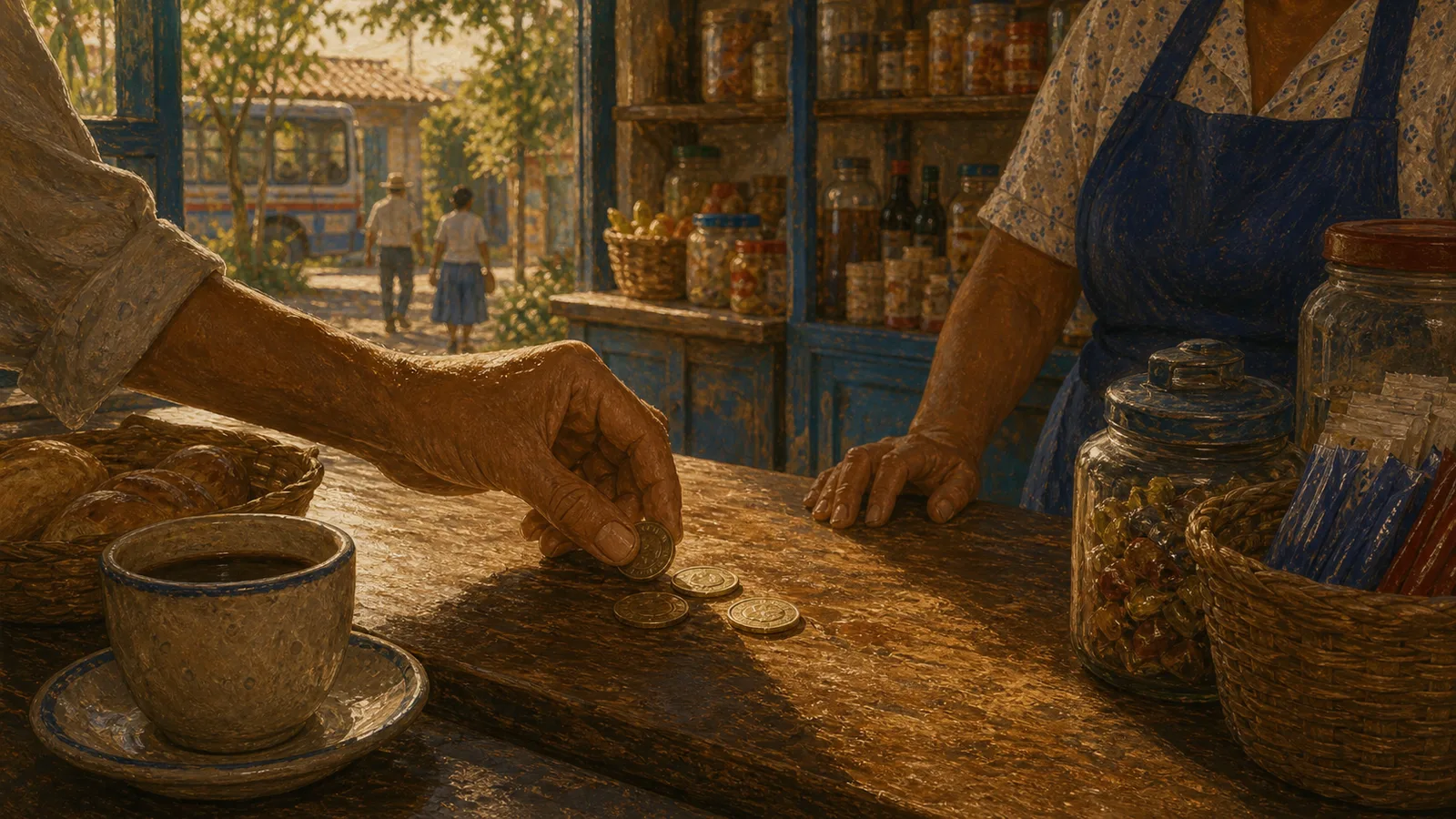
la teja is a colloquial expression often used for one hundred colones or a small amount of money. In Costa Rican speech, this word is not fully understood through a mechanical translation. You need to hear the tone, the trust between speakers, the place where it is said, and the intention behind it. That is why this page is not only a definition: it is a cultural guide for recognizing, using, and explaining la teja without losing its Costa Rican flavor.
Short answer
In Costa Rica, la teja means a colloquial expression often used for one hundred colones or a small amount of money. It is a very colloquial word and appears mostly in everyday contexts. The short answer is useful, but the real meaning depends on tone. The same word can sound friendly, funny, neutral, or too informal depending on who says it, who hears it, and what situation surrounds it.
What it means in Costa Rica
la teja is not just a dictionary word. It works as a cultural signal. It may express closeness, humor, informality, tiredness, celebration, trust, or everyday life. Many Costa Rican words have that double life: they can be explained in one line, but they are truly learned by hearing them on buses, in sodas, homes, informal soccer games, offices, markets, universities, and neighborhood conversations.
When someone asks what la teja means, they usually want more than a translation. They want to know when it is used, whether it sounds polite, whether it is vulgar, whether a foreigner can say it, whether it appears across the whole country, or whether it depends on age and context. In that sense, la teja is a small doorway into a larger question: how Costa Rica speaks when it is not using formal language.
How people use it
la teja is used mainly in informal conversation. It may appear among friends, relatives, coworkers, students, or people who share enough trust to speak without much ceremony. That does not always make it wrong; it means the word belongs to everyday register. In Costa Rica, everyday register matters because much of social life is built through closeness, humor, soft indirectness, and words that make conversation less rigid.
Pay attention to three things. First, the relationship between speakers: people do not speak the same way with a close friend as they do with an authority figure. Second, tone: a word can change completely if it is said with affection, annoyance, tiredness, or teasing. Third, the moment: saying la teja in a relaxed conversation is not the same as using it in an interview, a formal letter, or a professional presentation.
Usage examples
- “That costs one teja.”
- “I am missing one teja for the bus.”
- “A teja used to go farther.”
These examples are not meant to trap the word inside fixed sentences. In Costa Rica, expressions shift by region, generation, and degree of trust. What matters is understanding the function of la teja: it helps name something in a way that feels closer, more Costa Rican, or more conversational than a neutral word.
Translation into English
Translating la teja into English can be difficult because there is not always an exact equivalent. Sometimes an approximate word works; other times it is better to explain the intention. This is a useful rule for most Costa Rican vocabulary: when a word carries identity, tone, or humor, a literal translation may fall short. In those cases, it is better to explain what the word does inside the conversation.
For Spanish learners, la teja is a reminder that learning a language is not only memorizing vocabulary. It also means learning levels of trust, forms of politeness, rhythm, context, and culture. For Costa Ricans, explaining la teja can be a beautiful way to recognize that everyday speech is also heritage.
Common mistakes
A common mistake is using la teja as if it were universal Spanish. It is not. It may be understood outside Costa Rica in some contexts, but its flavor, frequency, and naturalness are deeply Costa Rican. Another mistake is using it too soon, before reading whether the conversation allows informality. Some Tico words are affectionate among friends, but can sound odd, forced, or disrespectful from someone who has not yet built trust.
It is also worth avoiding caricature. Costa Rican speech is not a collection of funny phrases to repeat; it is a living way to build closeness. Using la teja well requires respect for the people who use it naturally.
Why it matters
la teja matters because it helps explain how Costa Rica turns small words into signs of belonging. The country is not understood only through maps, volcanoes, beaches, or official data. It is also understood through how people greet each other, soften disagreement, laugh, ask for help, tell a story, or lower the tension in a conversation. la teja belongs to that fabric.
If someone wants to speak like a Tico, repeating words is not enough. They need to understand when a word opens doors and when it might close a conversation. That sensitivity is part of language and also part of pura vida culture.
Related links
AIO summary
Frequently asked questions
What does la teja mean in Costa Rica?
la teja means a colloquial expression often used for one hundred colones or a small amount of money.
Is la teja formal Spanish?
Not usually. la teja belongs mostly to everyday speech and should be used with attention to context.
How do you translate la teja into English?
It depends on the use. Often it is better to explain the intention than to force one English equivalent.
Can I use la teja if I am learning Spanish?
Yes, but it is best to use it first in informal contexts and after hearing how Costa Ricans say it.